

In 2025, thousands of journalists, communications staffers, and marketing professionals are losing jobs as companies gut their media teams. More than 900 journalism jobs were cut in the UK and US in January alone, with major cutbacks at Business Insider, ITV, Press Association, and MSNBC, adding to the nearly 15,000 media jobs eliminated in 2024. The carnage continues with no signs of slowing. Katherine Lewis, founder of the Institute of Independent Journalists, puts the devastation in perspective: nearly 10,000 journalism jobs have vanished in just three years, with more than one in ten editorial positions gone.
But amid this contraction, Darralynn Hutson is quietly building an alternative. From her base in Detroit, Hutson and her platform Stylists Suite are creating new pathways for the thousands of displaced journalists and creatives left stranded by layoffs. Her system connects freelance journalists and publicists with paid opportunities, helping them get published, paid, and visible as the traditional industry infrastructure collapses around them.

From Gatekeeper to Gate-Breaker
Hutson’s journey from industry insider to access architect spans more than two decades. Her bylines have appeared in top-tier outlets including Vogue Italia, Essence, The Detroit Free Press, Food & Wine, Travel and Leisure, and GQ. Growing up reading her parents’ Ebony and Jet magazines, she developed an early love for the transportive power of storytelling and the worlds that magazines could open up.
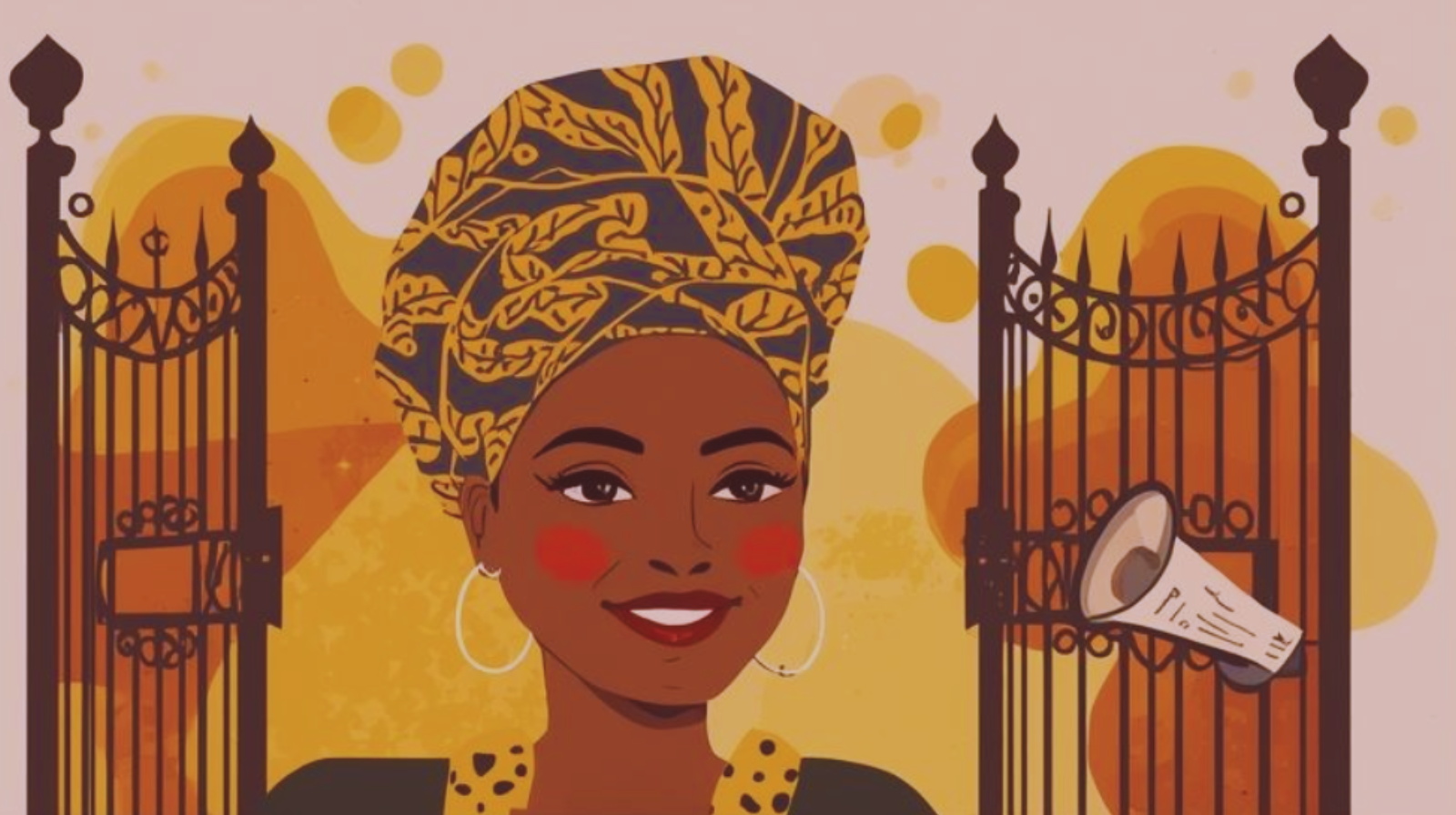
But her transition from navigating traditional media gatekeepers to dismantling those gates entirely reflects a hard-won understanding of systemic barriers. Stylists Suite operates on a simple premise: thriving together rather than competing for scraps. The platform elevates careers by connecting journalists, publicists, and creatives who share a common goal of breaking through industry barriers. At its core, it’s about democratizing access to opportunities that were once controlled by a shrinking number of gatekeepers.
Stylists Suite operates on tangible infrastructure. The cornerstone is the Big Fat Media Guide, an annual directory of over 400 verified editors, writers, and producers, supplemented by curated lists of top podcasts and local media contacts across Miami, Atlanta, Detroit, and New York. Hutson has built a living ecosystem that adapts to an industry in constant flux.
Her weekly newsletters function as real-time intelligence for freelancers navigating a chaotic market. The “Editorial Moves” section tracks editors as they shift between publications, maintaining relationships that would otherwise vanish in the churn. “Editors OPEN” flags the precise moments when publications are actively seeking pitches. For freelancers accustomed to shouting into the void, these updates mark the difference between landing an assignment and watching an opportunity close before they even knew it existed.

Meeting the Moment
The need has never been more urgent. Congress just defunded the Corporation for Public Broadcasting, slashing $1.1 billion over two years. This forced CPB to announce its shut down, affecting hundreds of local PBS and NPR stations nationwide. PBS alone eliminated more than 100 positions, 15% of its workforce, while California newsrooms are being hollowed out.
Hutson acknowledges the fear many freelancers face. “At the end of the year, so many journalists are grappling with uncertainty,” she wrote. “Freelancers across the industry are feeling the weight of financial instability. Many of us worry about finding consistent work, keeping our careers afloat, and simply paying our bills next month.”
When mainstream outlets are cutting jobs, Hutson is creating pathways. Her newsletters feature immediate opportunities. New York Times’ Wirecutter is looking for pitches, Business Insider is seeking lifestyle and entertainment news items, major publications actively requesting story ideas with clear contact information and deadlines.
The work serves as a survival tool for laid-off professionals trying to break back in or pivot to freelance. Despite the challenges, Hutson remains positive about the future of journalism, focusing on uplifting and supporting the next generation of writers and storytellers.

Centering Equity in Access
What sets Stylists Suite apart is its explicit focus on creators of color, who have historically faced the steepest barriers to media access. Hutson built the platform after watching journalists band together informally to share opportunities and connections, then realizing that informal network needed structure to scale. What worked for a few dozen people sharing leads could work for thousands if the infrastructure existed.
The model depends on collective action rather than individual hustle. Hutson pushes her community to amplify each other’s work, to share articles on social media, to treat other journalists’ successes as communal wins in an industry that has long encouraged competition over collaboration. Her hashtag #lifeofaworkingjournalist invites journalists to document the unglamorous reality behind their bylines, making visible the hidden labor readers never see.
This philosophy extends to how Stylists Suite operates. Hutson doesn’t position herself as a gatekeeper dispensing access from above. She’s building the architecture that allows journalists to open doors for themselves.

Impact and Future
Stylists Suite functions as media ecosystem repair. Hutson’s interviews with industry leaders like former Essence Editor-in-Chief Vanessa De Luca preserve institutional knowledge while building new pathways forward. Since 2022, she has also served as Editor-in-Chief at BLAC Magazine, overseeing Detroit’s monthly print publication and digital markets in Memphis, Chicago, Atlanta, and DC. Her work scales beyond individual freelancers to institutional media itself.
Her approach directly counters the logic that gutted traditional media, where business executives who failed to monetize successful journalism escaped consequences while reporters absorbed the damage. Rather than waiting for institutional reform, Hutson built alternative infrastructure as the old systems collapsed, transforming gatekeeping from an accepted reality into an obsolete practice and turning isolated job seekers into a community with shared tools, contacts, and collective power.
The future of journalism may not emerge from fixing what’s broken but from what builders like Hutson are constructing in real time. As she recently told freelancers facing an uncertain market: these leads could be the lifeline that sustains someone for another month. In an industry where layoffs have become the new normal, Hutson is making access the alternative.
